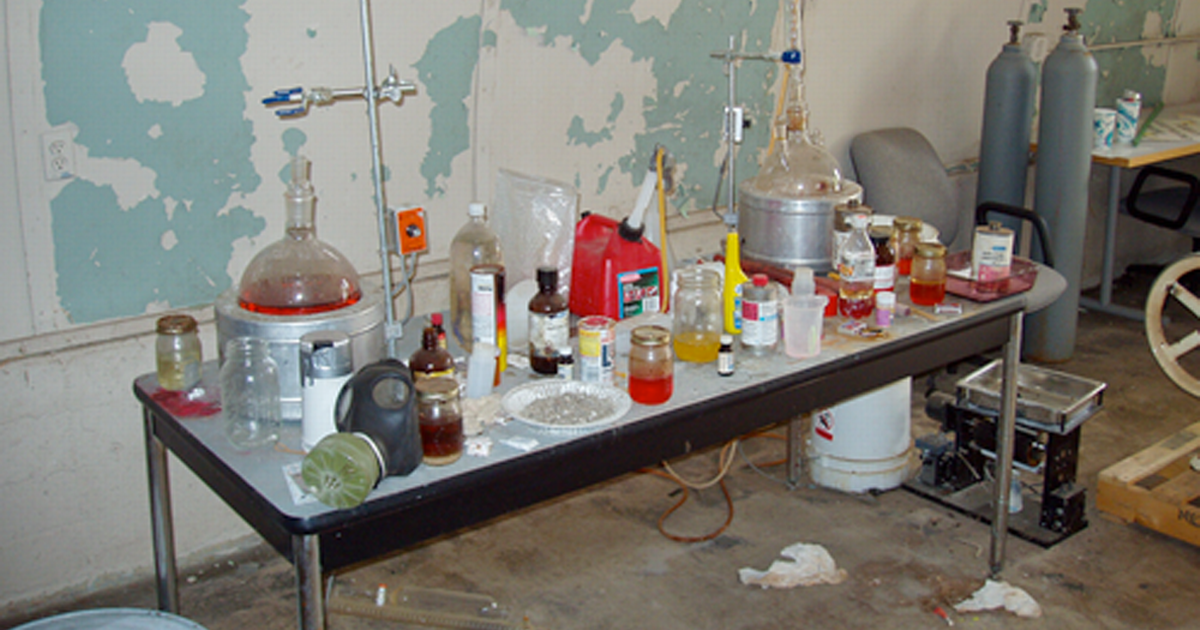
Experimental procedure:
The primary silane 15 (400 mg, 0.48 mmol) was dissolved in acetic acid (9 ml) and stirred at room temperature. Mercury(II) acetate (212 mg, 0.67 mmol) was added and the resulting mixture stirred at room temperature for about 10 minutes. Hydrogen peroxide (0.853 ml, 8.88 mmol, 30% solution in water), peracetic acid (1.84 ml, 8.88 mmol, 32% in dilute acetic acid) and mercury(II) acetate (212 mg, 0.67 mmol) were then added sequentially, and the resulting mixture was stirred at room temperature for about 1 hour, monitored by TLC. The reaction mixture was then diluted with dichloromethane (6 ml) and cooled to 0 C before being slowly quenched by the portionwise addition of Na2S2O3 (2.81 g, 17.76 mmol). The resulting mixture was stirred vigorously for 30 minutes, then filtered through a short pad of celite and washed with dichloromethane, and the filtrate concentrated in vacuo to afford a crude oil. Purification by flash chromatography (eluting with 10-60% ethyl acetate/hexane) afforded the primary alcohol (226 mg, 56%) as a colorless oil.
The primary alcohol (354 mg, 0.49 mmol) in anhydrous dichloromethane (7 ml) was added to a stirred solution of imidazole (170 mg, 2.5 mmol), triphenylphosphine (262 mg, 1.0 mmol) and iodine (253 mg, 1.0 mmol) in anhydrous dichloromethane (2 ml) at room temperature under nitrogen. The reaction mixture was then stirred at room temperature for about 30 minutes, monitored by TLC, and concentrated in vacuo to afford a crude oil. Purification by flash chromatography (eluting with 10-60% ethyl acetate/hexane) afforded the alkyl iodide 16 (350 mg, 86%) as a colorless oil.
Chemicals used:
Primary silane 15: this is the starting material for this step of the reaction, and is the product of the previous step. Any responsible doomsday prepper should have ample amounts of this molecule if he or she has any sort of respectable will to live in a post-apocalyptic society.
Acetic acid: This will protonate the phenyl ring, making it a good leaving group. It can also be poured on your enemies as booby trap, or used to eat your one of your 5,000 stored bags of potato chips when diluted with water sufficiently.
Mercury(II) acetate: The acetate performs a nucleophilic attack on the carbonyl carbon. The mercury can also be used to poison that zombie that killed and ate your dog, Lucy. Lucy suffered a quick death from a blow from this zombie. This zombie will suffer a slow and painful death from mercury poisoning. There is no such thing as remorse in a post-apocalyptic world. Only survival. Only revenge.
H2O2 , peracetic acid: these reagents provide the oxidizing conditions necessary for the primary alcohol to form. The hydrogen peroxide can also be used to sterilize your self-amputated arm when you are forced to chop it off after you are bitten by a rabid zombie.
Dichloromethane: This is used to dilute and wash the reaction mixture. But it can't dilute or wash away the vivid memory of the alien ship descending upon your city and destroying it with its advanced technology as you could only helplessly watch from the skylight of your underground bunker and see your city slowly but surely burn to the ground by these advanced alien warlords.
Na2S2O3: this is used to quench the reaction.
Ethyl acetate/hexane: this is used as the elution solvent for the flash chromatography.
Triphenylphosphine and Iodine: This allows substitution of the alcohol for an Iodine
Experimental techniques:
In vacuo concentration: in this procedure, a vacuum is used to evaporate volatile, organic liquids away from a pure, solid product. After you trap the raiders who are running low on supplies and have targeted your bunker in your death room, you can also use the vacuum to suffocate them.
Flash chromatography: this procedure is a rapid form of column chromatography, using air pressure to allow the sample to separate through the column very quickly. Like column chromatography, it is monitored by TLC. This has no practical uses in a post-apocalyptic society.